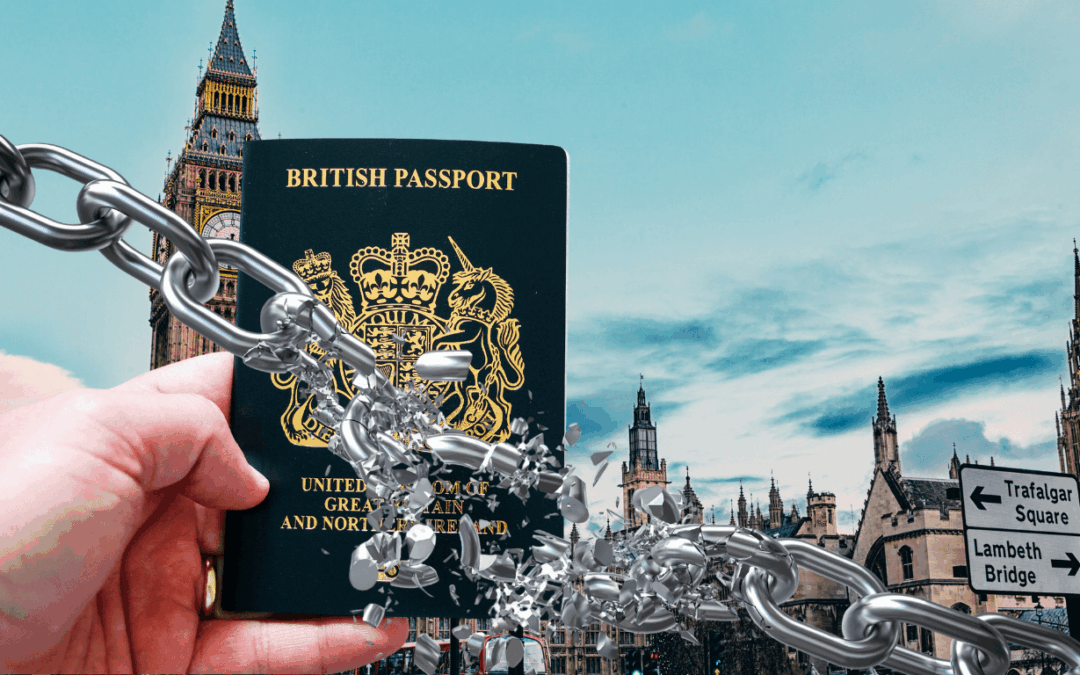
Many people assume that once they leave the UK, they immediately escape inheritance tax on their worldwide assets. Sadly, that’s not the case under the new rules.
As of 2025, the government has introduced a “tail” period for former UK residents. This means that even after you leave, you may remain liable for UK IHT on your global estate for up to 10 years, depending on how long you previously lived here.
For example, someone who has been UK-resident for 12 years before moving abroad may still face IHT exposure for a full decade after departure. In practice, this creates a significant trap for expats who think they have safely re-established their affairs overseas.
Why does this matter? Imagine you leave the UK in 2026, move back to Europe, and die in 2028. If you fall within the tail period, HMRC may still assess IHT on your worldwide estate even assets outside the UK.
What can you do?
- Plan your exit carefully. The length of your UK residence determines how long the tail follows you.
- Use gifting and trusts. Timing is everything – what you do before departure can shape your family’s exposure.
- Get cross-border advice. Double taxation treaties may provide some relief, but only if structured properly.
The key lesson: don’t assume departure equals escape. The UK’s reach can be longer than you think.
If you’re planning a move abroad or have already left, review your estate position urgently. The last thing your family needs is a nasty tax surprise years after you’ve left.
As the Inheritance Guru, I help internationally connected families understand these traps and protect their wealth across borders.
Sally Herdman – The Inheritance Guru
- 📞 07831 379562
- 📧 help@theinheritanceguru.com